Hakone has also been popular as a place to escape the extreme summer heat. As it is located at a slightly higher altitude, temperatures are several degrees lower than in the lowlands. However, due to the effects of global warming, the average temperature of Japan has been rising as a whole. The sweltering heat surprises many foreign visitors every summer. One important thing to take note of when visiting in summer is how to deal with the heat. Japan sees many cases of heatstroke every year, so let’s teach you some useful tips to have to prevent such things from happening, and treatment methods in case anything happens.
How to prevent heatstroke in Hakone
As the average temperature in Japan is extremely high in summer, your body’s natural cooling system is unable to keep up, resulting in heatstroke.
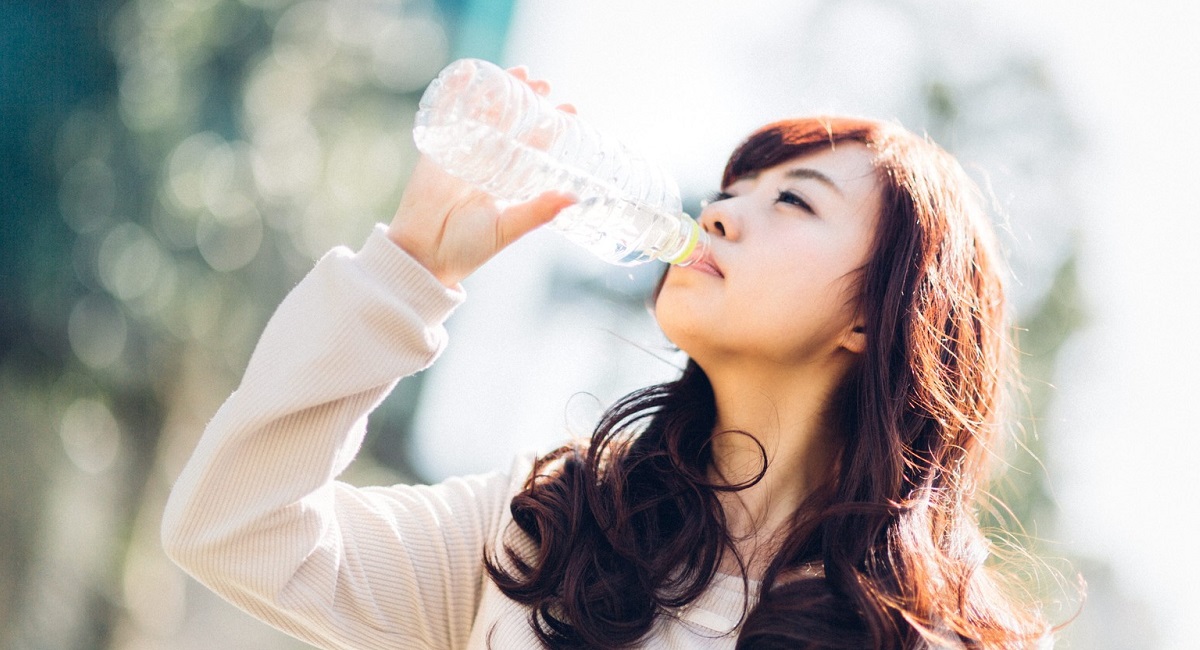
Wear cooling clothes, bring a sun umbrella out and use caps to avoid the direct rays of the sun, and remember to drink enough water. We recommend sports drinks to replenish the salt content in your body too.
People susceptible to heatstroke
Young children and infants, the elderly, people with obesity, people not used to the heat, people without stamina, people who are already unwell, people with a poor immune system, so do adjust your itinerary accordingly.
Symptoms of heatstroke
Initial Symptoms
Dizziness, lightheadedness, numb lips, dark-colored urine, cold hands, unnatural sweating patterns (too much or too little sweat), paleness, quick pulse
Mid-symptoms
Headaches, fatigue, nausea, vomiting
Severe symptoms
Unconsciousness, convulsions, inability to move limbs at will, high body temperature, dull response to interaction
Immediate treatment
1. Head to a cool place, loosen clothing and have the patient lie down with legs raised.
2. If the patient is conscious and can drink unaided, give water (sports drinks or oral rehydration solution)
3. Lower the patient’s body temperature by placing ice packs or cold towels on the neck, armpits and groin. Pour water over his/her body and fan.
Important
In the case that the initial symptoms are not detected, the patient’s condition may suddenly worsen. In that situation, carry out the immediate treatment listed above as you call an ambulance (dial 119). If the patient does not recover, even if he/she is in the initial or mid-symptoms, call an ambulance, or head to the hospital.
Places like Sengokuhara, Moto-Hakone, Togendai and Owakudani which are located at a higher altitude may be cooler than other areas, but are still rather hot. Do not over-exert yourself while at Hakone to prevent getting heatstroke, and make sure you replenish fluids as you enjoy yourself in Hakone.