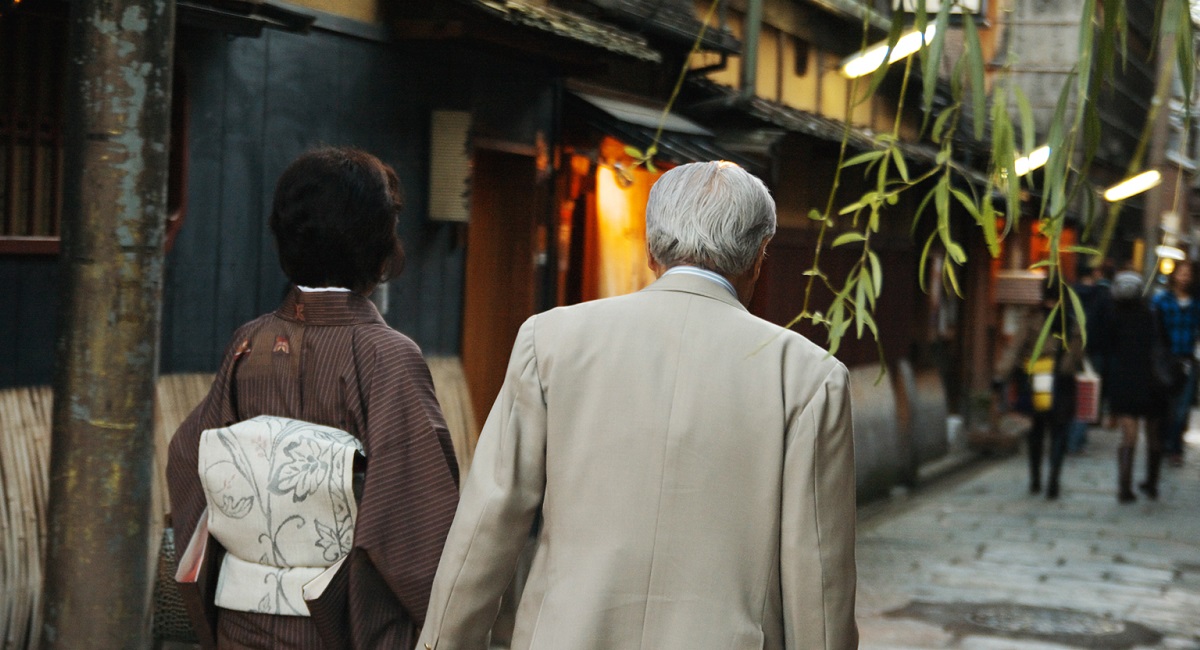
You might have observed Japanese bowing when greeting each other before. Recently, there has been an increase in businessmen shaking hands instead, but it is said to be good manners to bow even when doing so. As such, it is said that bowing is an integral part of the Japanese’s life, and some people even clasp their hands together when bowing. It may be hard for foreigners to visualize the difference between the different types of bows. This time, we will introduce to you some bowing tips you should know when going to Hakone.
Types of Bows
Saikeirei (Deeply reverent bow)
Used when apologizing or begging for forgiveness. You stand still and bow at a 45 degrees angle. It is rarely used in our daily lives.
Keirei (Respect bow)
To express gratitude or when meeting someone for the first time, or to greet clients or your superiors. Stand still and bow at a 30 degrees angle. The younger party or the service staff will have to bow for a longer time.
Eshaku (Greeting bow)
When passing by someone. Slightly bend your head down.
When clasping your hands together
This is carried out when respecting the Gods, or a deceased person, or to express your gratitude. You should not use this to the service staff you are thankful to though. The person who this is done to may feel like he/she is being treated like someone who has passed on.
When eating
It varies according to region, but people say “itadakimasu” and clasp their hands together before eating.
When praying to the Gods
When visiting a shrine, put your hands together and pray.
When praying to a deceased person
Used at funerals to worship someone who has passed on.
In Japan, people usually lower their eyes during a bow, which is different from Western greetings where you keep eye contact and smile. When visiting Hakone, do not be alarmed if Japanese staff or tourists lower their eyes when greeting you; it is simply a polite greeting.